Reproduction trim and parts for classic car and motorcycle restorers
Restoring a classic car or a vintage motorcycle, and the part simply isn’t made any more? Hand Neutrino the whole job. A designer in the network works it out from the original, or what’s left of it, a maker builds it, and I project-manage it: trim, knobs, badges, ducts, interior clips and patterns for castings. You get a rough price range within 24 hours, then a conversation with me about the real price.

Who it’s for
- Restoration workshopsA car on the hoist, waiting on a part nobody makes.
- Club membersA car on club permit that’s missing its original trim.
- Motorcycle restorersThe small pieces that went missing decades ago.
What you can hand over
- Interior trimPanels, bezels and surrounds, matched to the original.
- Knobs and handlesDash knobs and window-winder handles.
- Badges and emblemsRemade from a good original or a sharp photo.
- Ducts and ventsHeater and air ducts that have cracked or crumbled.
- Interior clips and bracketsThe ones that hold the trim, not the car.
- Casting patternsA pattern your foundry can cast from, for parts that need to be metal.
What to send with the brief
A broken original is still useful: it shows the shape. These help the designer get it right first time.
| Part | Send | Keep in mind |
|---|---|---|
| Trim or knob | The original, or photos with measurements | Say whether it’s for a concours car or a driver |
| Badge | A good original or a sharp photo, and its size | Check whether it’s still someone’s trade mark |
| Duct or vent | The old one, even in pieces, and the car it’s for | Say what it fits against at each end |
| Casting pattern | The part or drawings, and the metal you want | Say who will cast it, so the pattern suits their process |
What I don’t take on
Parts that keep a vehicle safe on the road are regulated. In Victoria, changes to anything covered by an Australian Design Rule, or that affect structure, safety systems or handling, generally need a VASS approval, so these stay out:
- Brakes, steering and suspension parts
- Seatbelt mounts and anything structural
- Lights and lenses
- Badges, logos and designs that are still protected, unless you have the owner’s permission
The offer in four lines
- You get
- A rough price range within 24 hours and a conversation with me about the real price, then a designer and a maker to build it, with the job project-managed for you.
- It costs
- Nothing until you accept a price. Every build is priced on its own, Neutrino’s fee is included, and the price only changes if you change the job.
- You risk
- Nothing. Walk away any time before you accept.
- To start
- Post your idea: a sentence and a photo or sketch. No drawings needed.
How a job runs
Imagine
You post your idea: a sentence and a photo or sketch. I send you a rough price range, then talk the real price through with you. Then I write the brief with the most it can cost, and designers and makers bid.
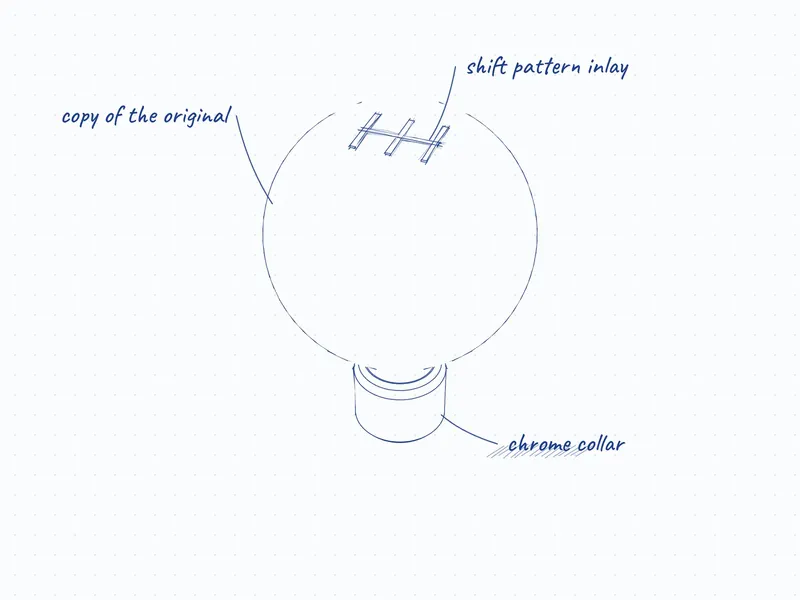
Render of an example part, modelled for this site, not a customer job
Draw
A designer models it and draws it up. I check the design, then you approve it before anything is made.
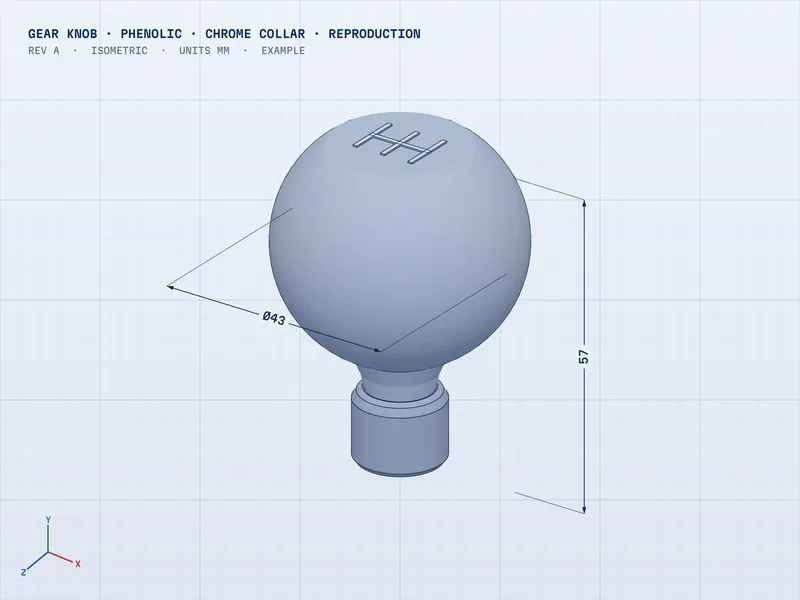
Render of an example part, modelled for this site, not a customer job
Make
A maker builds it to the approved design: machined, fabricated, printed, wired or coded.
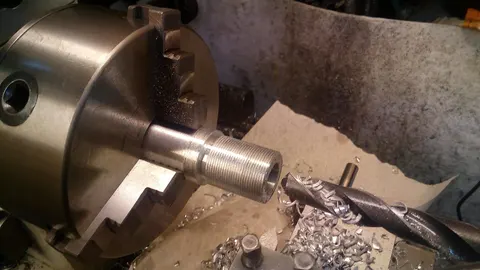
Photo: Lathe Center Drilling, David English, CC BY-SA 4.0
Deliver
I check the build before it reaches you. You confirm you’ve got it, then sign off that it works as you wanted, and that’s when the maker is paid.
Photo: Ships out today, Bench Accounting, CC0


Four promises
Fixed price once accepted
The price you accept is the price, with Neutrino’s fee included. Design revisions follow your plan: 5 on Basic, 25 on Premium, unlimited on Platinum. If you change the job itself, the change is priced before any work is done, and you can say no.
Checked, then approved by you
I check every design, then you approve it before anything is cut, printed or welded.
Made to the approved design
I check every build before it reaches you. If it still doesn’t match the approved design, raise it before you sign off and the maker fixes or remakes it at no cost to you.
The maker is paid when you sign off
You pay Neutrino, not a stranger. The maker is paid once you sign off that it works as you wanted.
Why hand it to me
I trained in robotics and mechatronics engineering, so I know how a part gets designed, made and put together. Remaking an old part is mostly working out what it was meant to be.
On a Neutrino job I check every design before a maker starts, and every part before it goes to you.
Rather not sign up? Tell me here
Two minutes, no account. I read every idea and reply myself by email with a rough price range within 24 hours, then a conversation with me about the real price.
Questions
Can you remake a part from a broken original?
Often, yes. A broken or worn original still shows the shape, and the designer works out what it was meant to be. Photos and measurements help; the designer may ask for the part itself.
Can it be made in metal?
Some parts can be fabricated. For cast parts, a printed pattern is one route: your foundry casts the metal part from it.
Will it look original?
That’s the aim. Say how close it needs to be, for a concours car or a driver, and send photos of an original in good condition.
Can you make brake, steering or suspension parts?
No. Brakes, steering, suspension, seatbelt mounts and lights are out. In Victoria, anything covered by an Australian Design Rule, or that affects structure, safety systems or handling, generally needs a VASS approval, and club-permit vehicles have their own guidelines (VSI 33).
Is it all right to copy an old badge or part?
Some badges, logos and designs are still protected, even on old vehicles. Check before you ask for a copy, and say in the brief if you have the owner’s permission.
Do you work with restoration workshops?
Yes. A workshop can post parts for several customers’ cars, each as its own job.
What does the price range cost?
Nothing. The range and the conversation about the price are free. You only pay if you accept a price.
What if it isn’t right?
Put it right: tell me before you sign off, on your project, with photos; your money stays held. The maker replies within 2 business days with a fix or a remake at no cost. If you don't agree, Neutrino decides within 5 business days of your request: fixed or remade free, or that stage refunded.
Not a restoration?
Neutrino builds any defined physical product: products, parts and fixes for people and businesses.
Also: Prototypes for 4WD and camper accessory brands · Obsolete parts, jigs and fixtures for manufacturers