

From napkin sketch to manufacturable model
I turn product ideas into CAD your fabricator or manufacturer can actually build from.
Common signs you need help
- You need CAD but don't have an in-house design team
- Existing drawings are out of date or never existed
- Suppliers keep asking for files you don't have
Who this is for
This is for businesses being asked for files they do not have. A fabricator wants a STEP file, an insurer wants dimensioned drawings, or a manufacturer cannot quote without a model. It also fits companies whose existing drawings are a decade out of date, exist only on paper, or were made by someone who has left with the native files.
Where this applies
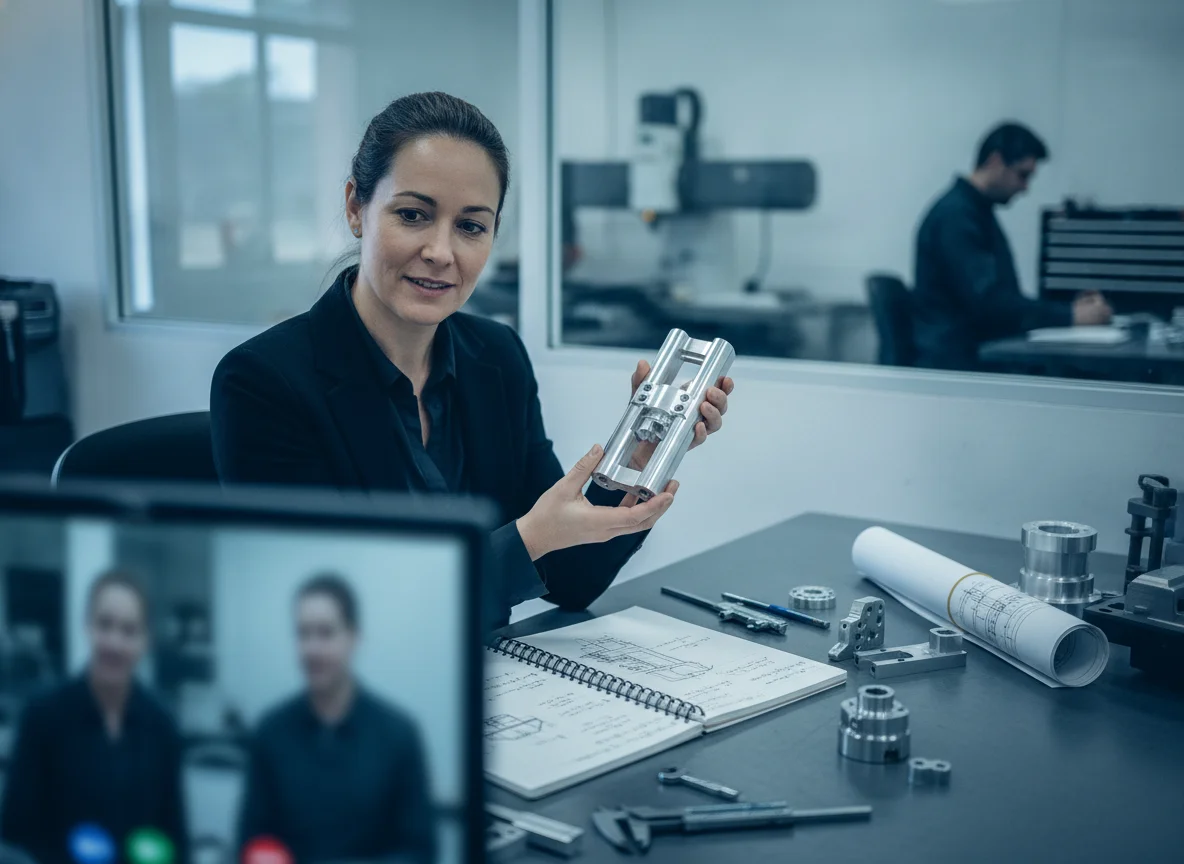
Freelance CAD that doesn't talk to your manufacturer creates expensive rework — I design for how things are actually made.
CAD and product design tuned for Australian manufacturing constraints.
What the assessment covers
Define tolerances, materials, and production intent
Scope design phases with clear deliverables
Link design work to prototype or tooling next steps
A build, end to end
A first CAD package often looks like this: a fabricator has asked for a STEP file, the only drawing is a decade-old paper print, and the person who made it has left with the native files.
- Work from the physical part, site measurements, or photographs — you do not need to specify something you have not built yet.
- Rebuild it as a parametric model, so the next change is an edit rather than a restart.
- Produce dimensioned drawings with tolerances a workshop can actually hold, not aspirational ones.
- Export in the formats your suppliers asked for, under revision control, with the native files handed over.
Outcome: Suppliers can quote from your package instead of guessing, and when you change fabricators later you take the models with you rather than starting again.
What I build
Part models, assembly drawings, revision-controlled CAD packages
Typical output is a revision-controlled CAD package: parametric part models, an assembly with correct mating and clearances, dimensioned drawings with tolerances a workshop can hold, and exports in the formats your suppliers actually asked for. Where the design is being made for the first time I work from measurements, photographs, or a physical sample rather than requiring you to specify something you have not built yet.
What it costs and how I scope it
Design work is phased so you are not committing to a full package before the concept is settled. The free 30-minute call pins down production intent, materials and the tolerances that matter, then each phase is quoted at a fixed price with defined deliverables. Files are delivered in STEP, STL and native formats as agreed, with drawings where they are needed, so you can change suppliers later without starting again.
Every fix starts with a free 30-minute call and a free working sample, so you know the fixed price before work begins. Bigger projects get a paid Opportunities Report first.
When this is the wrong fix
CAD is premature if the concept is still moving. A rough physical mock-up often answers more questions in a week than a modelling phase does in a month, and it is cheaper to change. It is also the wrong purchase if the part is genuinely standard — spending on a model for something you can order is a cost with no return, and I will point that out.
FAQ
- What CAD formats do you deliver?
- STEP, STL, and native formats as agreed in your SOW — with drawings where needed.
Got a process you've outgrown?
Show me on a free 30-minute call. You'll see a working sample of the fix within two business days, before you pay a cent.
Book my free 30-minute call