

Production slowdowns? Start smaller than a new factory
From shift handover to custom parts you can't buy ready-made — I diagnose operational drag and ship fixes, digital and physical.
Problems I see in this industry
- Shift handover loses context and rework follows
- Production data lives in spreadsheets nobody trusts
- Custom fittings and test pieces stall waiting on design or fab capacity
Industry context
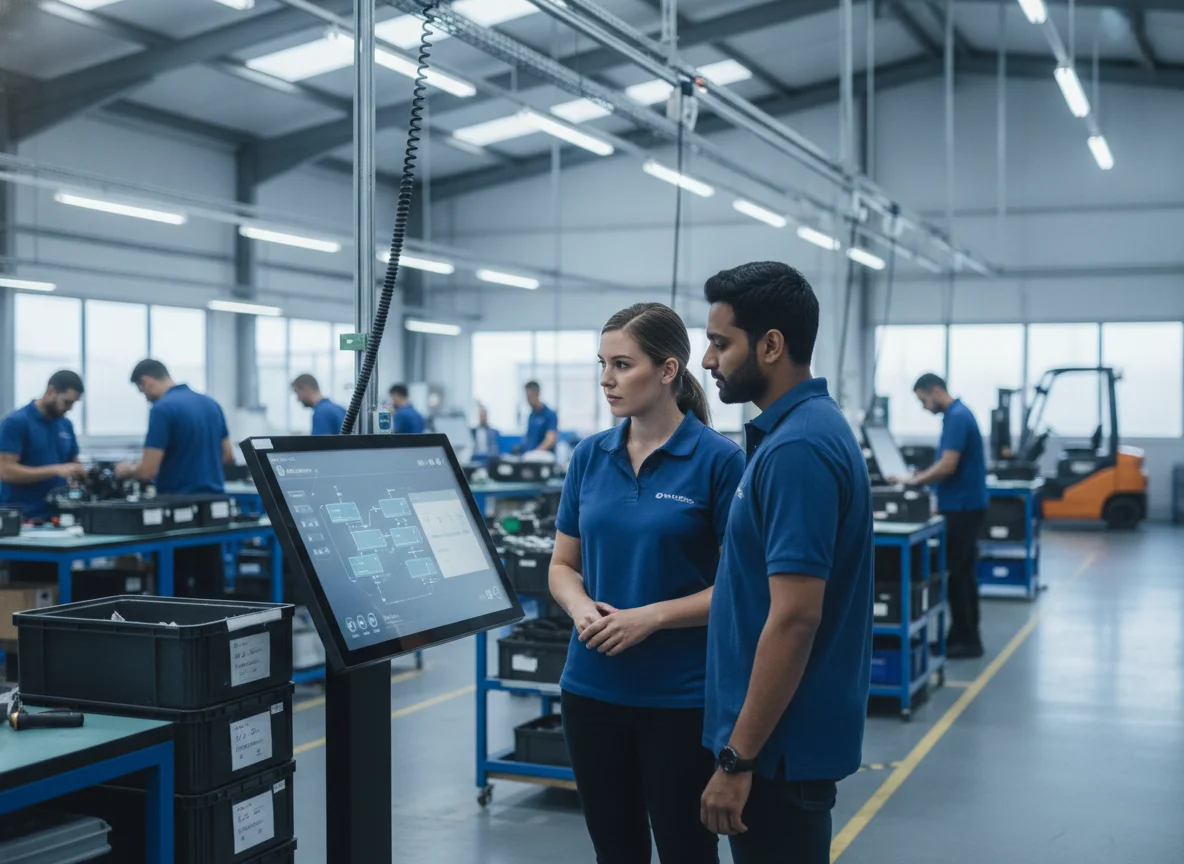
Shop-floor data trapped in legacy spreadsheets blocks real throughput improvements — I connect production, inventory, and planning.
Manufacturing and ops teams modernising without enterprise budgets.
Who this is for
This is for small and mid-size Australian manufacturers, workshops, and operations teams where production data lives in spreadsheets that nobody fully trusts. Shift handover loses context and rework follows. Custom fittings and test pieces stall waiting on design capacity. Someone spends Monday morning reconciling what actually got made against what the system says.
A first build, end to end
A first engagement often looks like this: production status lives in a spreadsheet that one person rebuilds every Monday, and shift handover happens verbally, so rework surfaces days after the decision that caused it.
- Pull the production view from the systems already in use, so the floor and the office read the same numbers.
- Replace verbal handover with a structured record that captures what changed and what the next shift needs to know.
- Surface the reconciliation gap — what the system says was made against what actually was — while it is still same-day.
- Where a physical constraint is holding a line, design and make the fitting or test rig in the same engagement.
Outcome: Monday morning stops being a reconciliation exercise, and the digital and physical fixes come from one team rather than two vendors negotiating scope.
How Neutrino helps
Assess where time and material are lost in your current flow
A working sample of the fix within two business days, on demo data
Build internal tools, automations, or custom parts when off-the-shelf will not do
What I typically build first
Digital work here usually starts with a production view that pulls from the systems already in use, so the floor and the office see the same numbers without a manual rebuild. Shift handover becomes a structured record rather than a verbal summary. On the physical side the same engagement can produce the custom fitting or test rig that has been holding up a line, which is unusual in a software consultancy and is often why manufacturers call me.
How the first engagement runs
I am remote-first, but discovery for manufacturers usually needs a day on the floor — the problems that matter are rarely visible on a screen share.
On-site discoveryOne full day
I follow real work across shifts and handovers rather than interviewing people in a meeting room.
Opportunities ReportWithin 3 business days of the discovery session
Losses ranked by measurable waste — time and material — rather than by how modern the fix sounds.
First buildQuoted fixed-price
Usually the production view or the handover record. A single quote can cover both the dashboard and the bracket.
Physical work in parallelMaterial lead times apply
Fittings, test rigs, and one-off parts run alongside the digital build instead of queueing behind it.
What it costs and how I scope it
On the free 30-minute call I look at where time and material are lost in your current flow and pick the fix with the most measurable waste, not the most modern-sounding one. Because I do digital and physical work, one quote can cover the dashboard and the bracket. Everything is fixed-price and agreed in writing. I'm remote-first, but for bigger projects I'll come on site for a day when the floor is the only place the problem is visible.
Neutrino works with businesses like yours across Australia — remotely by default, on-site when the problem demands it.
When I am the wrong call
If the constraint is machine capacity or raw material supply, better software will show you the constraint faster without moving it. I will say that plainly rather than sell a system. Full MES or ERP implementations are also outside what I do — where that is genuinely the right answer, the useful thing I can offer is an honest map of your requirements before you talk to those vendors.
Related capabilities
Related guides
FAQ
- Do you work on the factory floor?
- I'm remote-first but can visit on site when needed. Most build work is digital systems plus coordinated custom parts and fabrication.
Got a process you've outgrown?
Show me on a free 30-minute call. You'll see a working sample of the fix within two business days, before you pay a cent.
Book my free 30-minute call